
#DolphinsAreNotforCaptivity
Ending dolphins & cetaceans
in captivity
At the age of 12, I decided that I could not remain silent in the face of an injustice that happens far from our everyday sight, yet very close to our responsibility: the captivity of dolphins and other cetaceans.
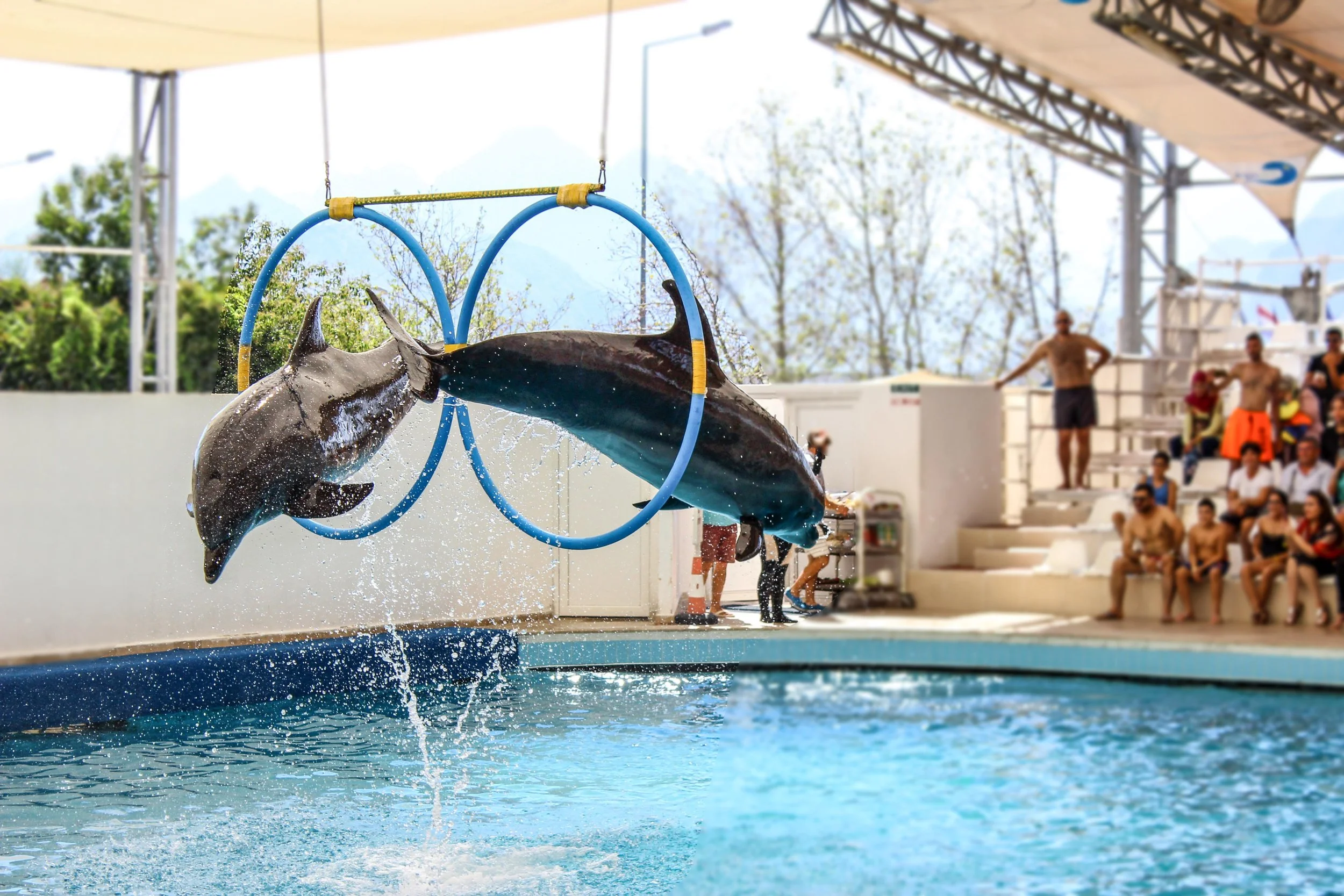
When I was around five years old, my school took us to the zoo. I saw my favourite animal for the first time: a dolphin. It was jumping, playing with a ball, spinning through the air. Everyone around me was smiling.
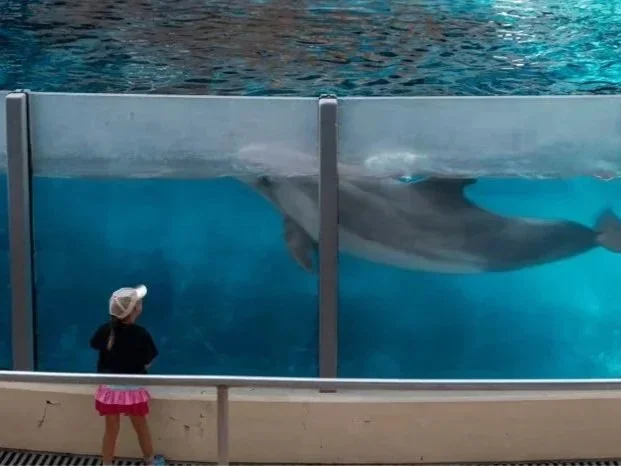
But on the bus ride back, something did not feel right. I remember sitting there with a strange weight in my chest, my mind racing with questions I did not yet know how to articulate. I wasn’t comfortable. Something inside me was unsettled.
When I got home, I asked my parents a simple question:
“Do the dolphins go home like I do? To their family?” That was the moment they explained the reality of captivity.
I will never forget it.
It all started
in Barcelona
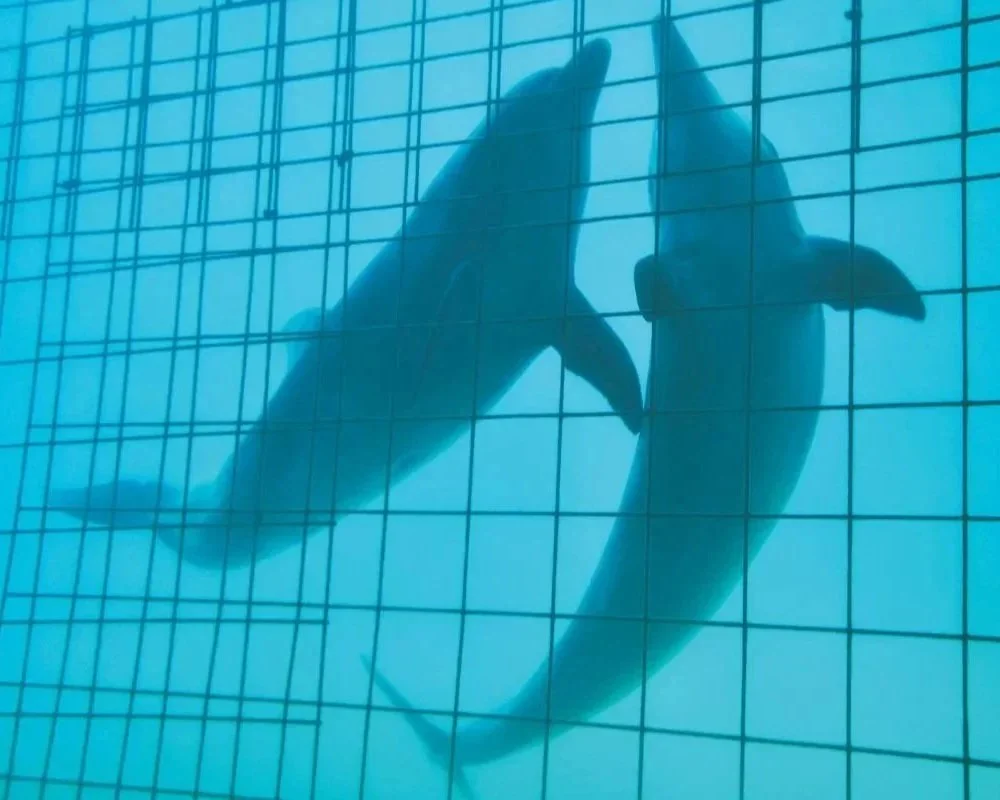
After the death of several dolphins at Barcelona Zoo, year after year, and finally the matriarch of the group, I realised I could no longer stand by with my arms folded.
In 2020, I launched my first campaign on Change.org, calling on Barcelona City Council and the Zoo to transfer the three remaining dolphins to a genuine marine sanctuary. Within just a few months, more than 56,000 people had raised their voices alongside mine.
Yet the dolphins were not sent to a sanctuary.
They were transferred to another zoo in Athens, where they are still used in performances.
That decision brought me deep disappointment.
But it also gave me something stronger: determination.
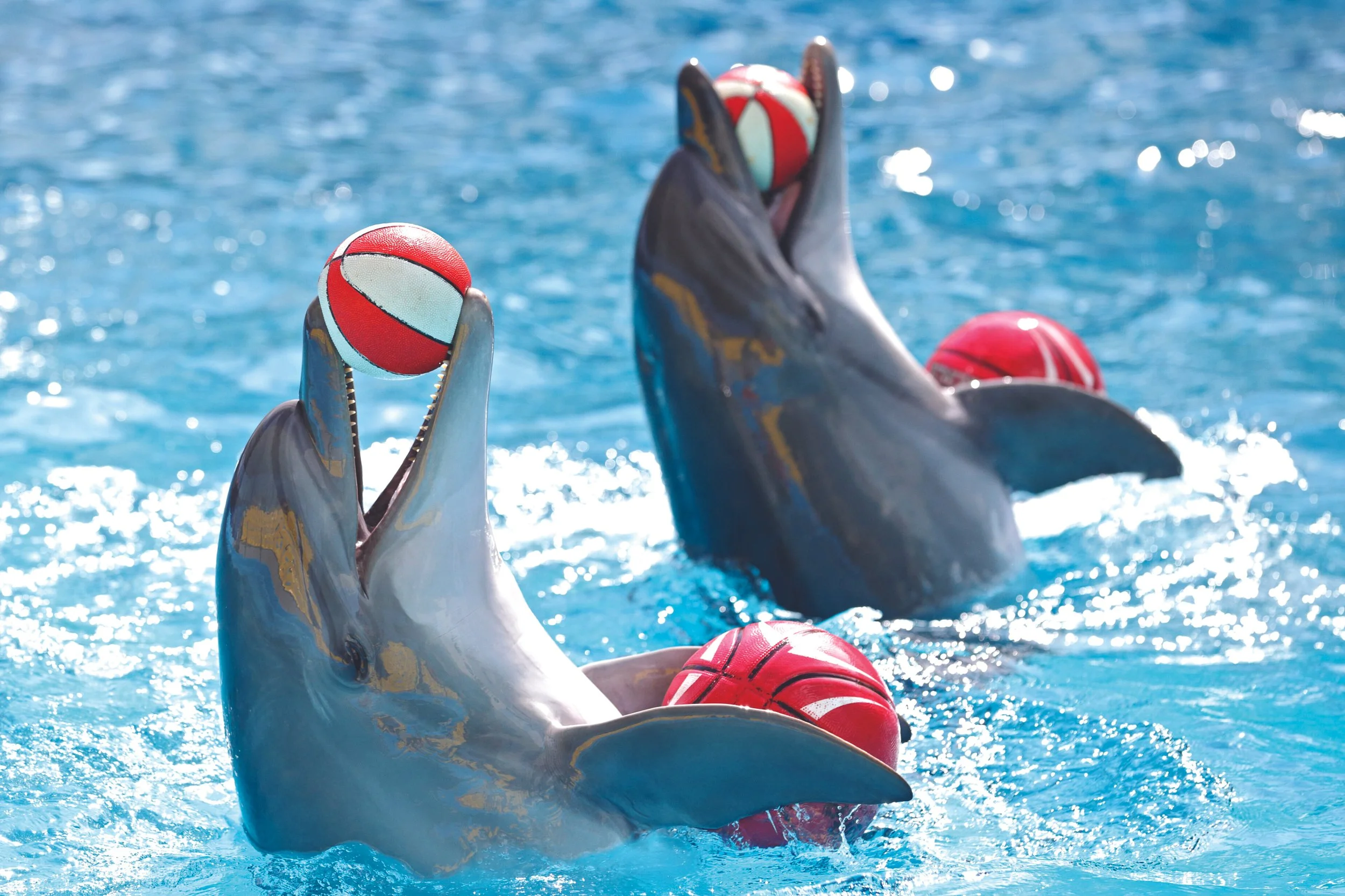
Spain is the largest prison for dolphins and cetaceans in the European Community
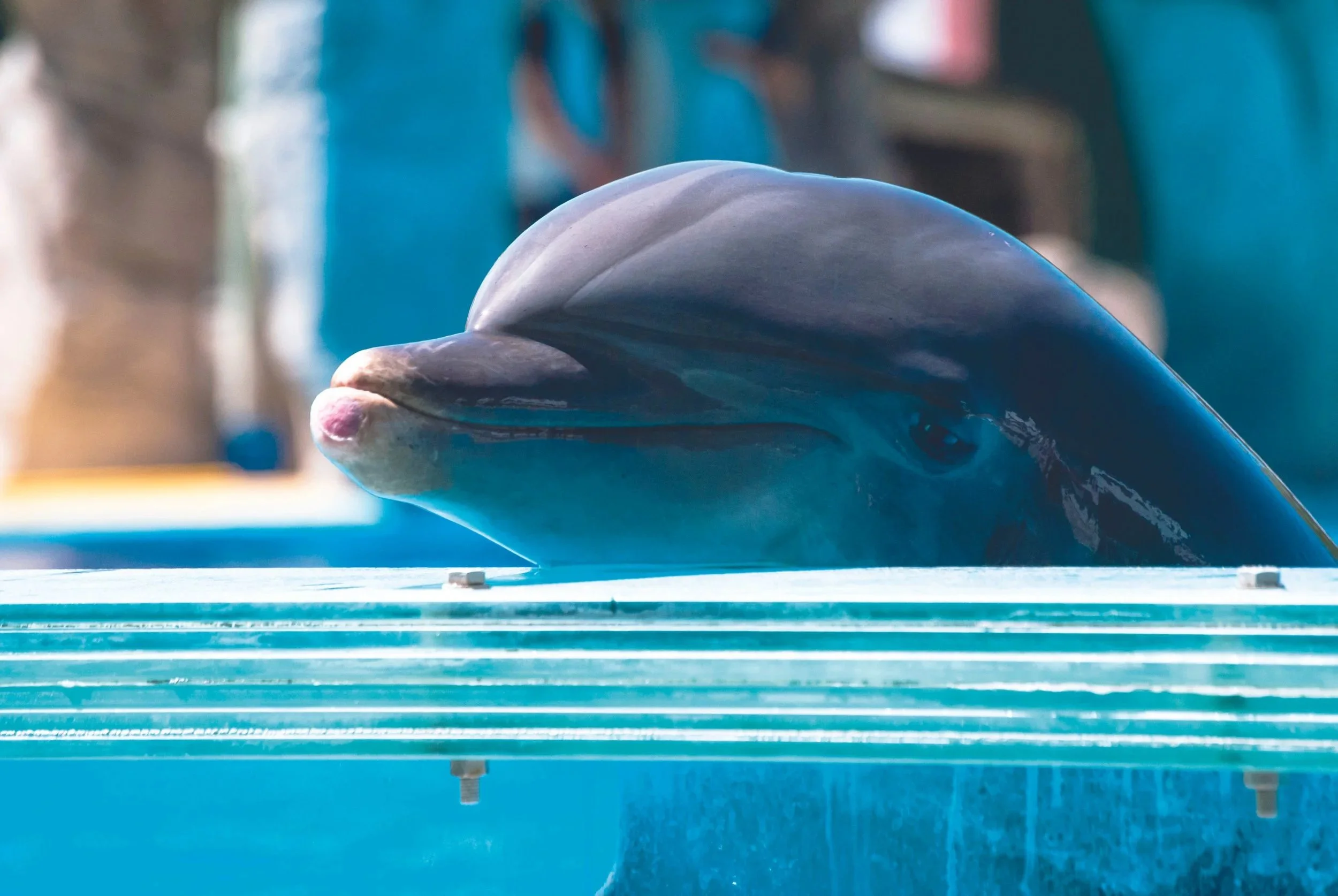
As I began to look deeper into official data and international records, I discovered something deeply unsettling: Spain holds more dolphins and cetaceans in captivity than any other country in the European Union, and ranks sixth in the world in the number of confined individuals.
That reality could not be ignored.
It led me to launch my current campaign, #NoEsPaísParaDelfines (in English: #DolphinsAreNotforCaptivity) — calling on the Spanish Government to pass a Law for the Scheduled Closure of Dolphinariums and Aquariums.
Today, the campaign has gathered more than 160,000 signatures. And every single one of them is a voice saying: we can, and we must, do better.
Scientifically and ethically, there is no justification for keeping dolphins and other cetaceans in captivity. Decades of research confirm that confinement causes chronic stress, abnormal behaviors, physical collapse, weakened immune systems, and shortened lifespans in animals who are highly intelligent, socially complex, and meant to swim vast distances in the wild. Captivity is not conservation. It is exploitation.
My campaign is citizen activism grounded in scientific rigor and supported by leading marine biologists, veterinarians, ethologists, and conservation organizations. The evidence is clear: captivity is incompatible with the wellbeing of cetaceans and with a society that claims to respect nature.
From Citizen Activism to Institutions
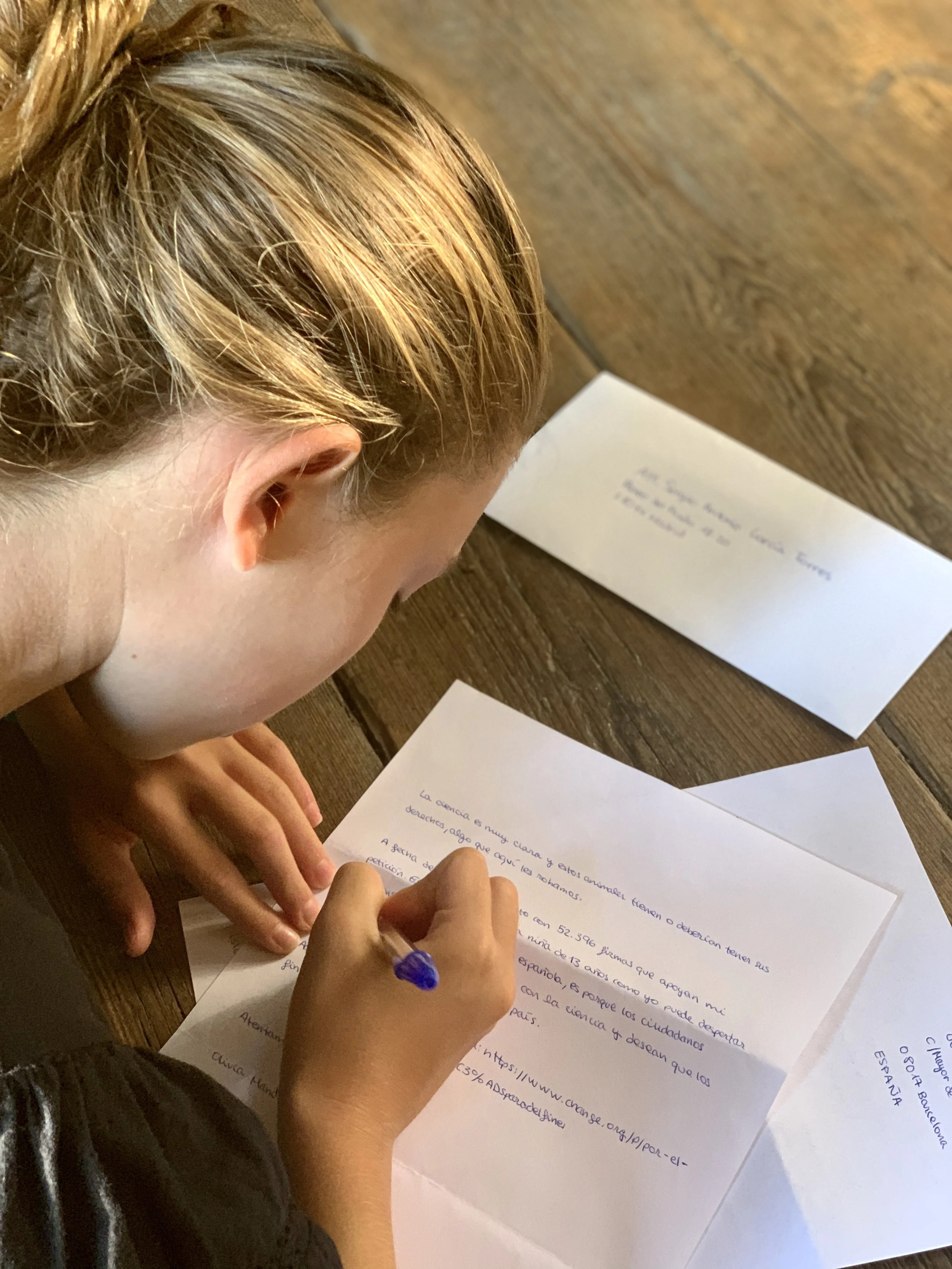
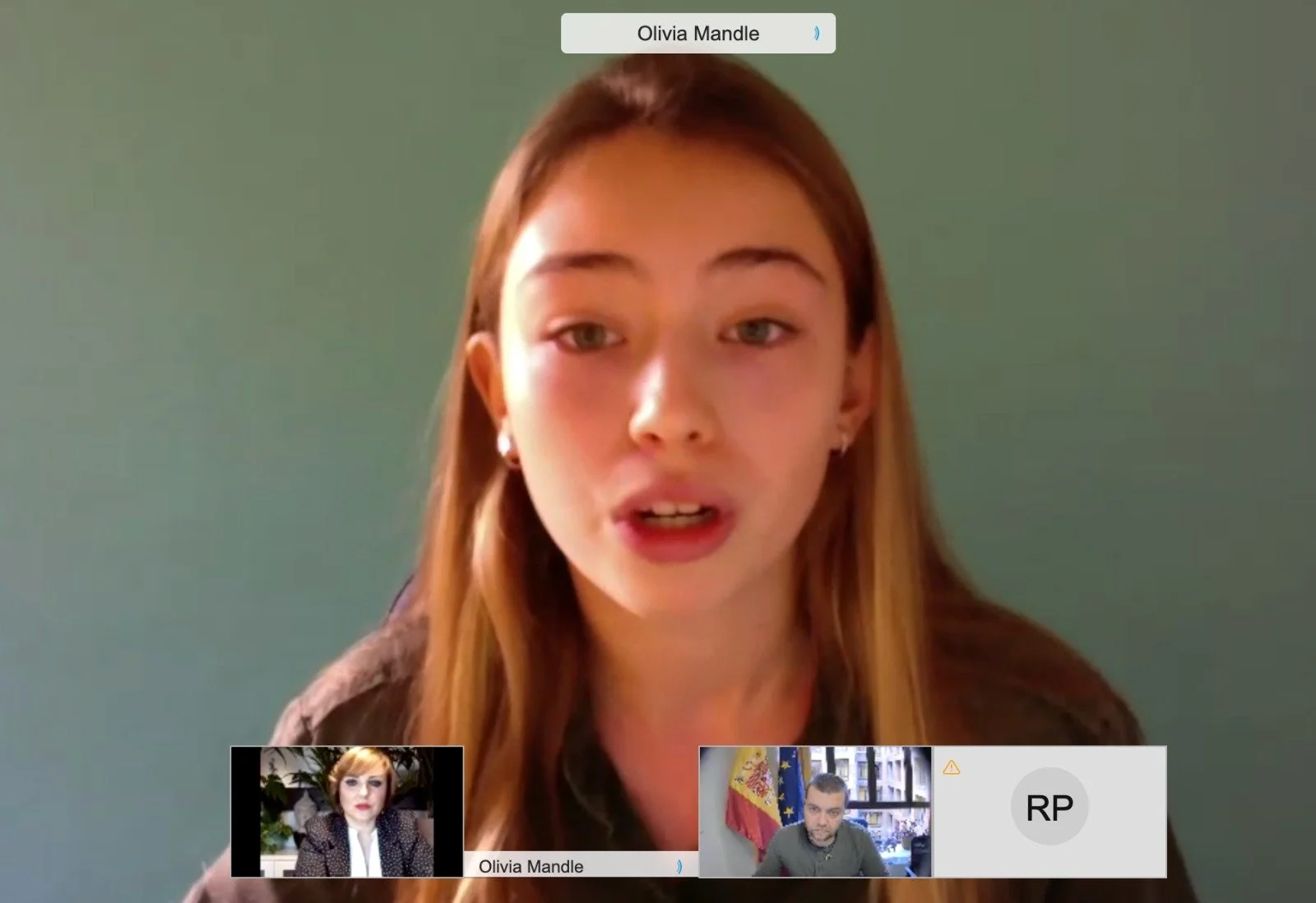
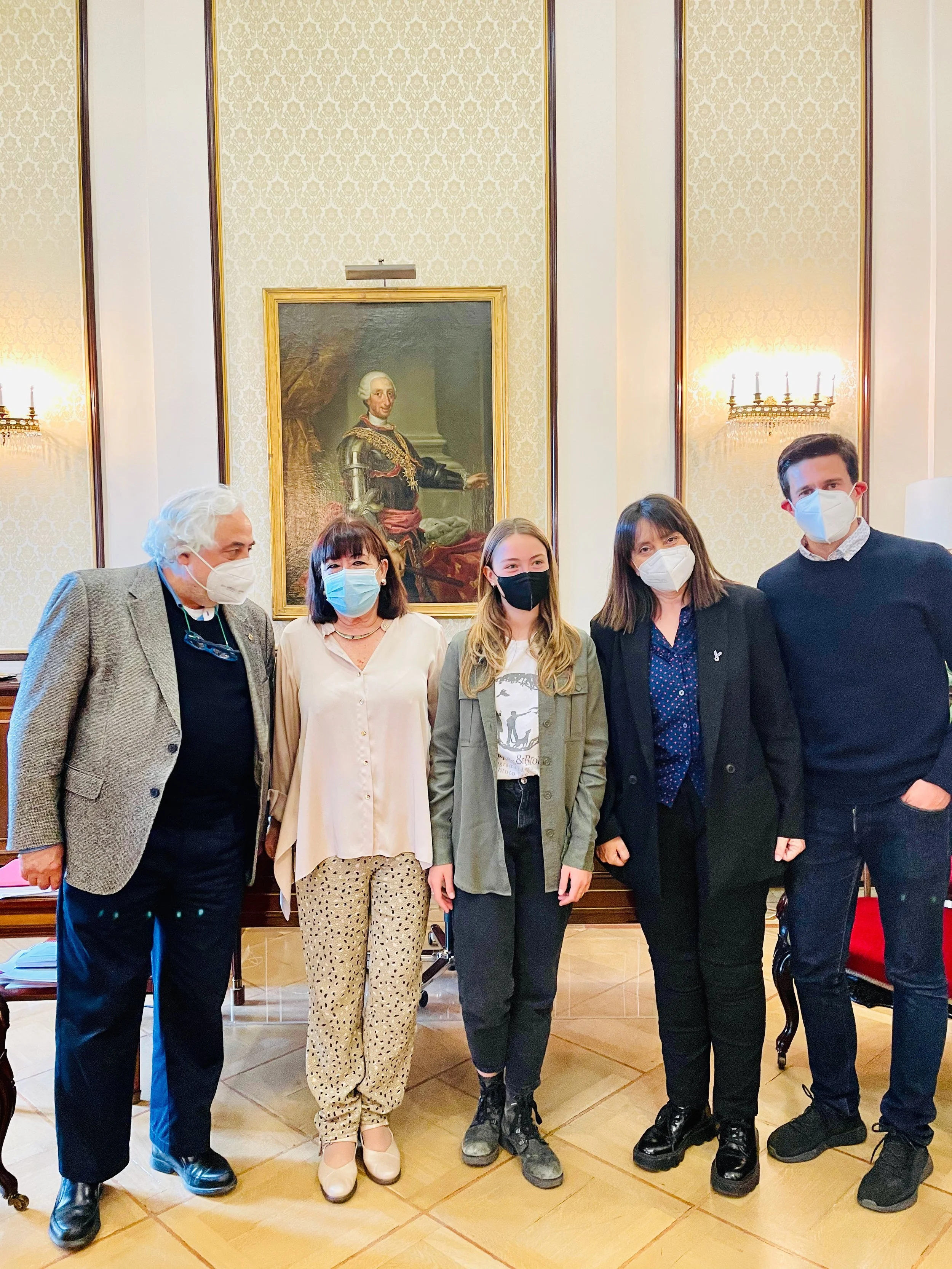
My fight has never stayed only on social media.
• I have sent hundreds of emails and made repeated calls to Members of Parliament and Senators.
• I travelled to Madrid on multiple occasions to meet political representatives in person.
• With the support of senators and the then Vice President of the Senate, Cristina Narbona, we formally registered a motion to debate the scheduled closure of dolphinariums.
• Although the motion was not passed, we succeeded in bringing the issue of captivity into the institutional sphere.
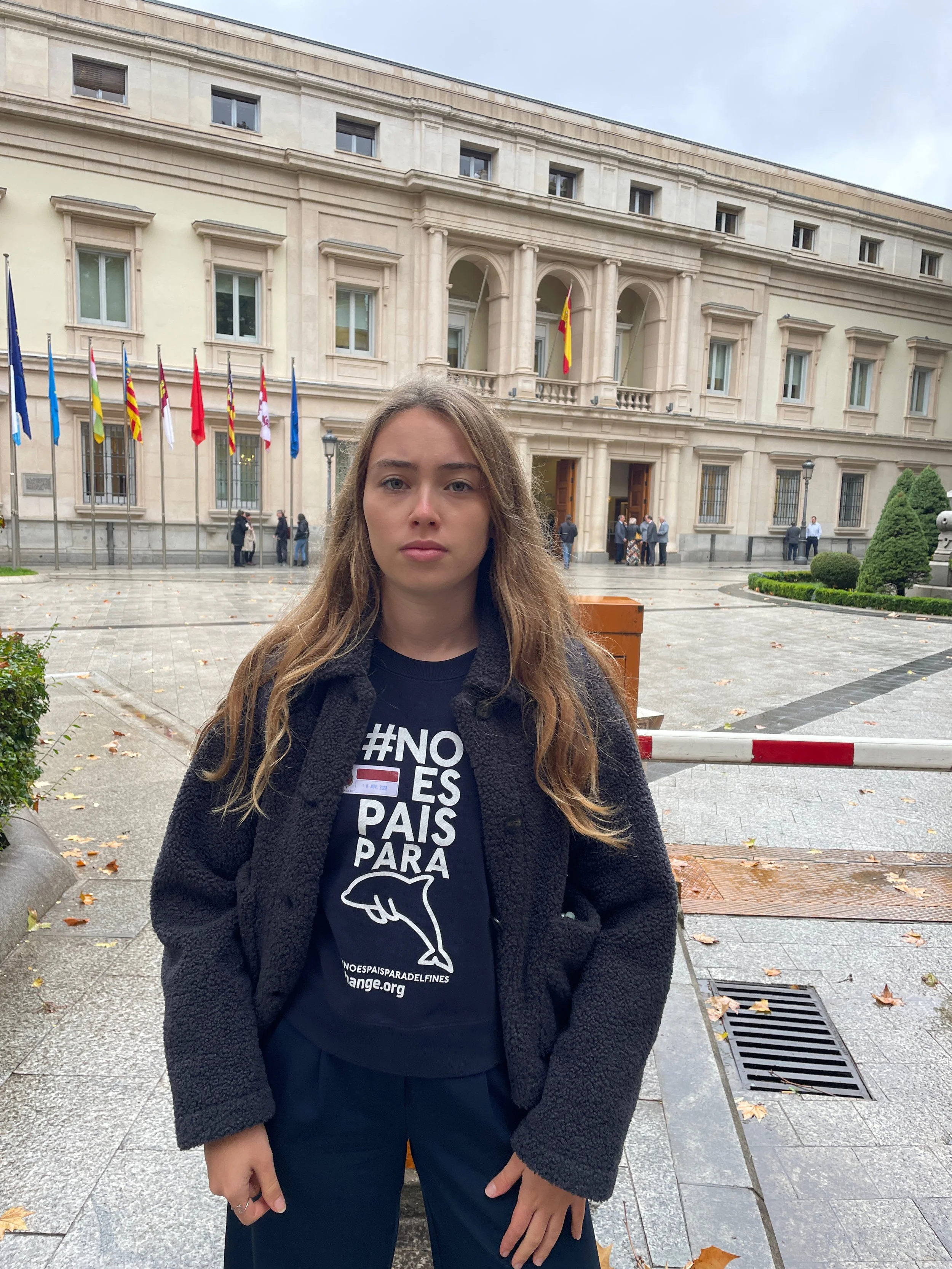
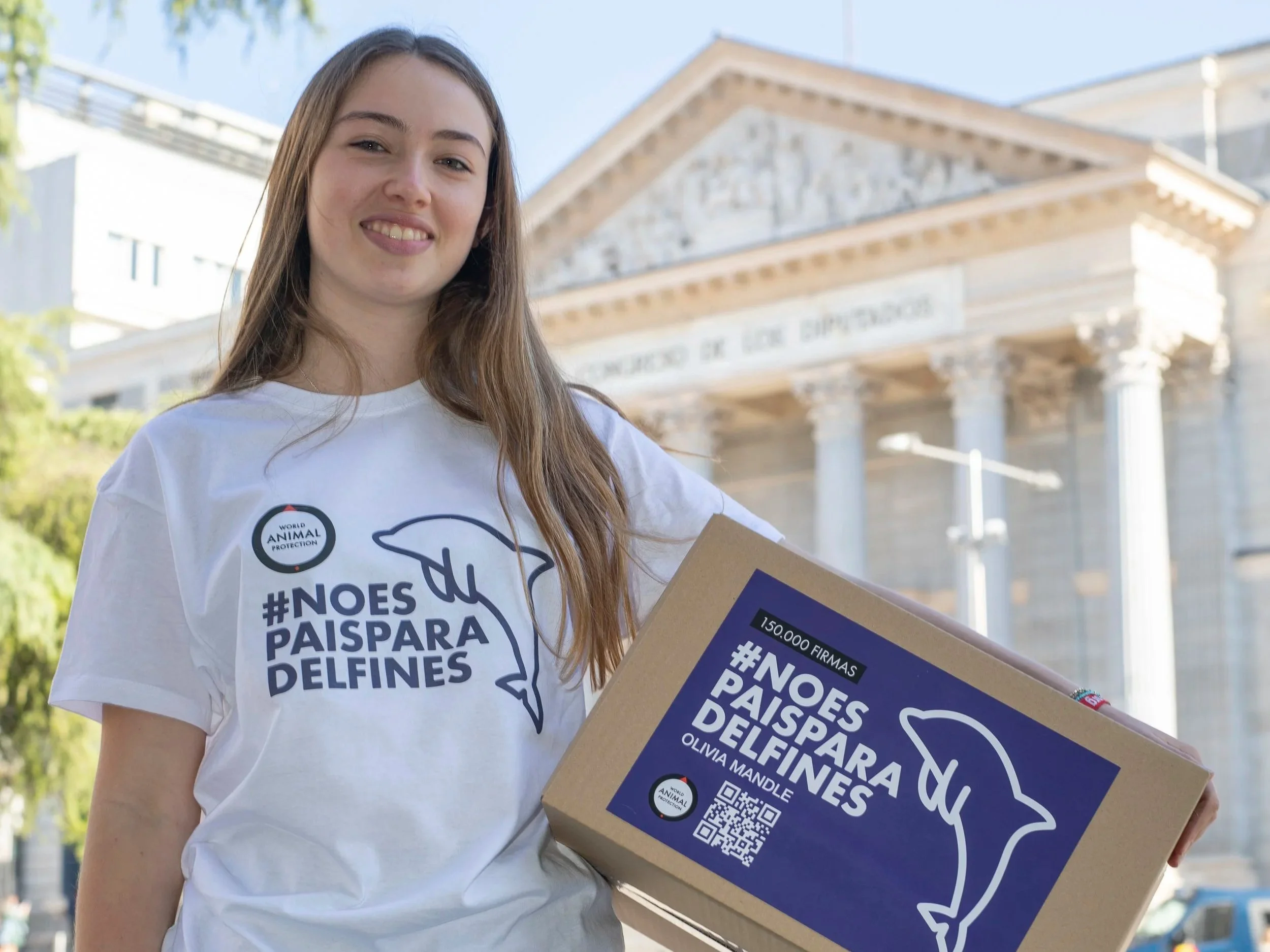
+154,000 signatures delivered
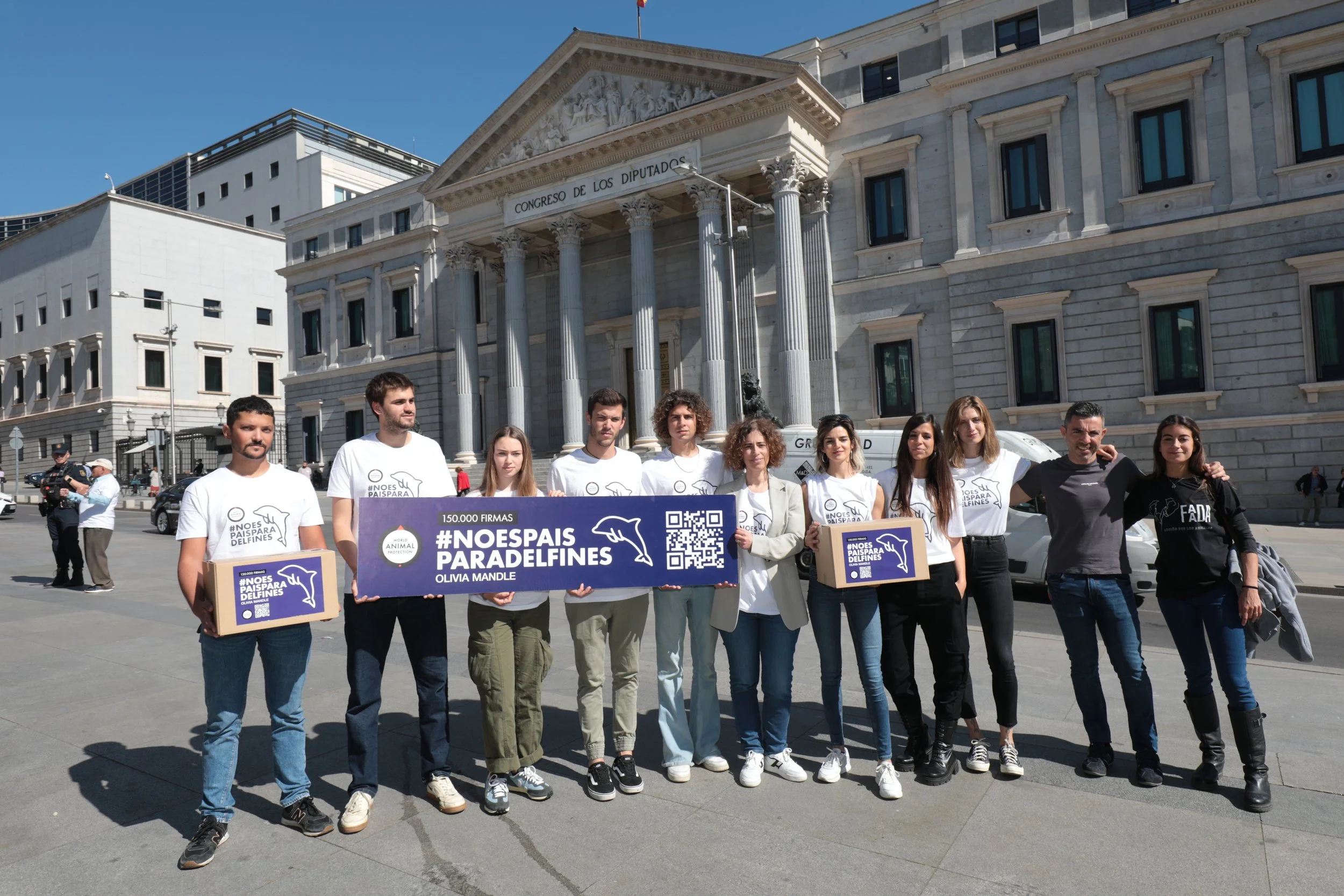
Spanish Congress
I delivered more than 154,000 signatures to the Spanish Congress, accompanied by scientists, ngo’s and experts who stand firmly behind this cause.
And I have taken the issue of cetacean captivity to the European Parliament, within the Animal Welfare Intergroup.